
COOPERATIVES TOOLS - TRAINING
Understanding people and relationships

The window of JOHARI
A valuable tool for discovering the obstacles to true face-to-face communication and understanding that one must dare to open up to others in order to gain their trust and lead them to open up themselves.
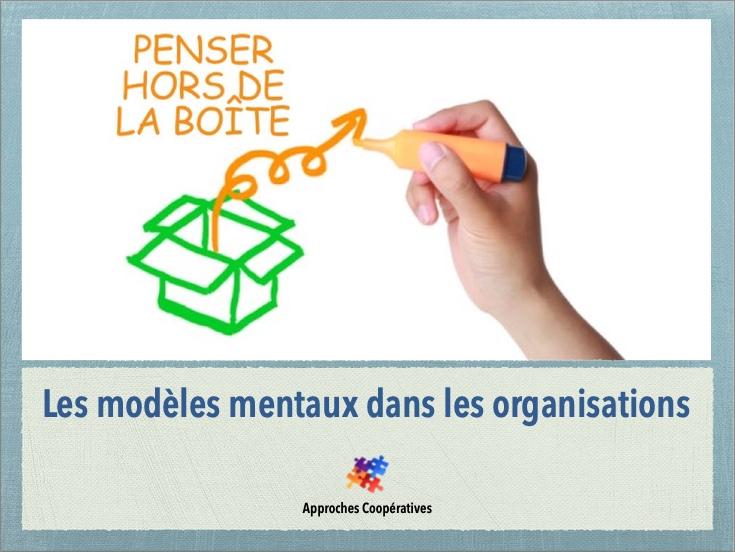
Mental models
How to identify our mental models and change them as needed in order to better perceive the reality around us and the problems we encounter.
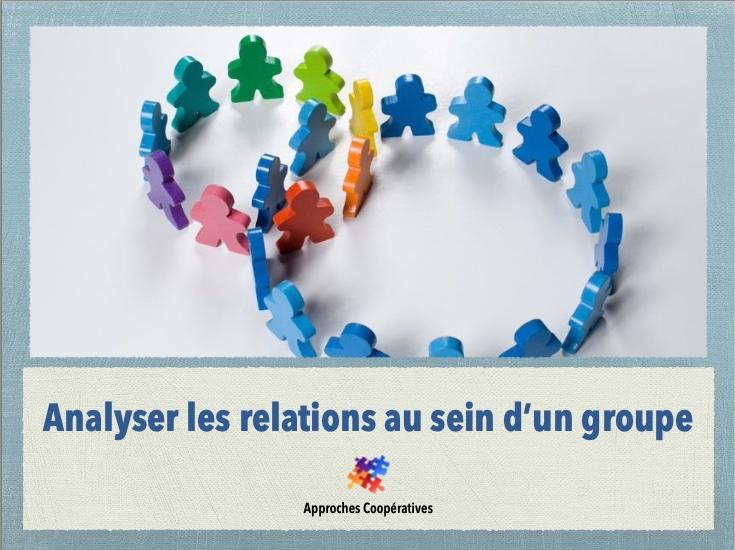
Analyze relationships within a group
How to carry out a sociogram to analyze the relationships within a group of young people and have an idea of the level of social development of each of its members.
The dead ends of Cartesianism
Three concepts from Cartesian thought can lock us into dead ends: the separation of body and mind, the primacy of analysis over systemic vision, and an approach focused on defects rather than resources.
Learning, creating and developing knowledge
The main educational approaches
This tool describes, from illustrations and diagrams, the progression of learning approaches from the transmissive approach to constructivist approaches.
The development tasks
How to create a sociogram to analyze relationships within a group of young people and get an idea of the level of social development of each of its members.
Knowledge management
How an organization can identify and capitalize knowledge from the experience of its members and model it to build essential tools for sharing them.
Designing and managing the action
The FFOM analysis
Strategic planning technique based on the analysis of five key elements: values, strengths, weaknesses, opportunities and threats.
The economic model of an association
The concept of economic model is not reserved for companies, it can also be useful for non-profit associations. Indeed, associations also create value for different segments of users or members.
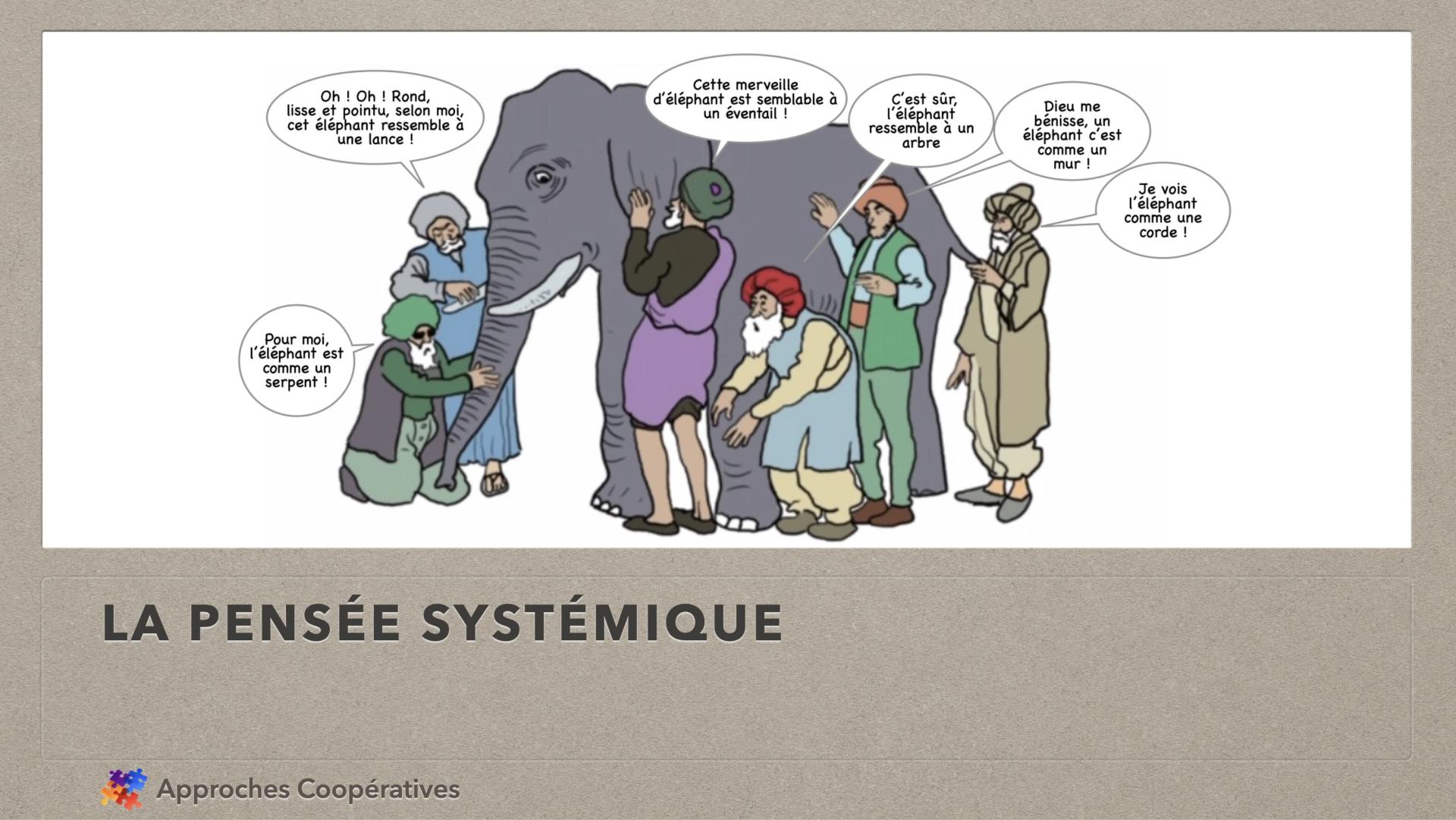
Systems thinking
Systems thinking allows one to analyze the interdependencies between the elements of a set instead of just analyzing each element. and therefore to learn to recognize the ramifications and counterparts of any action one chooses to take.
Brainstorm with post-its
A method of collective intelligence to search for ideas or solve a problem using sticky notes ("post-it").
Promoting youth engagement and participation
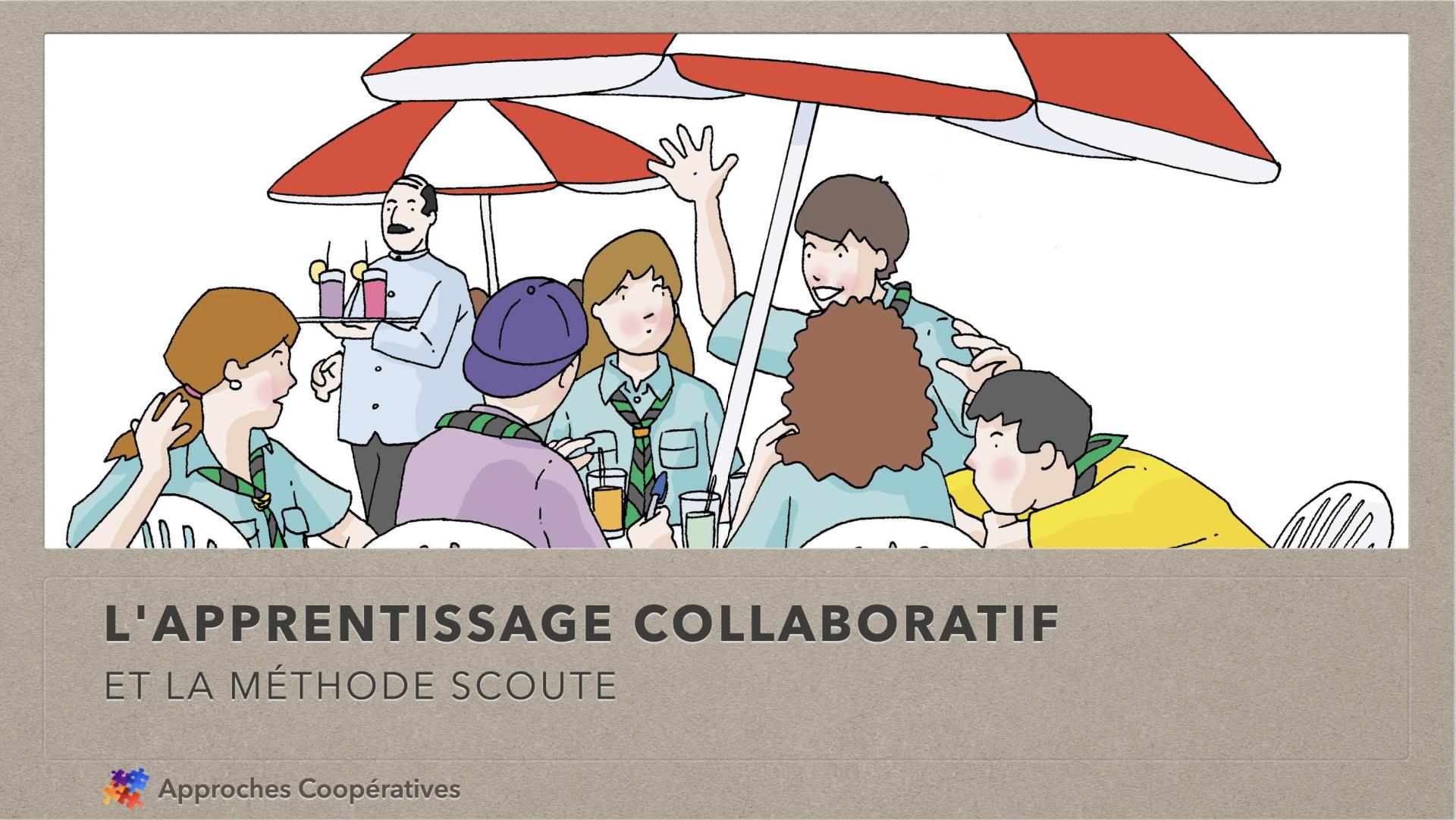
Collaborative learning
The concept of collaborative learning is analyzed from the work of Lev Vygotsky, Jean Piaget and David Kolb, in order to reveal its advantages and risks.
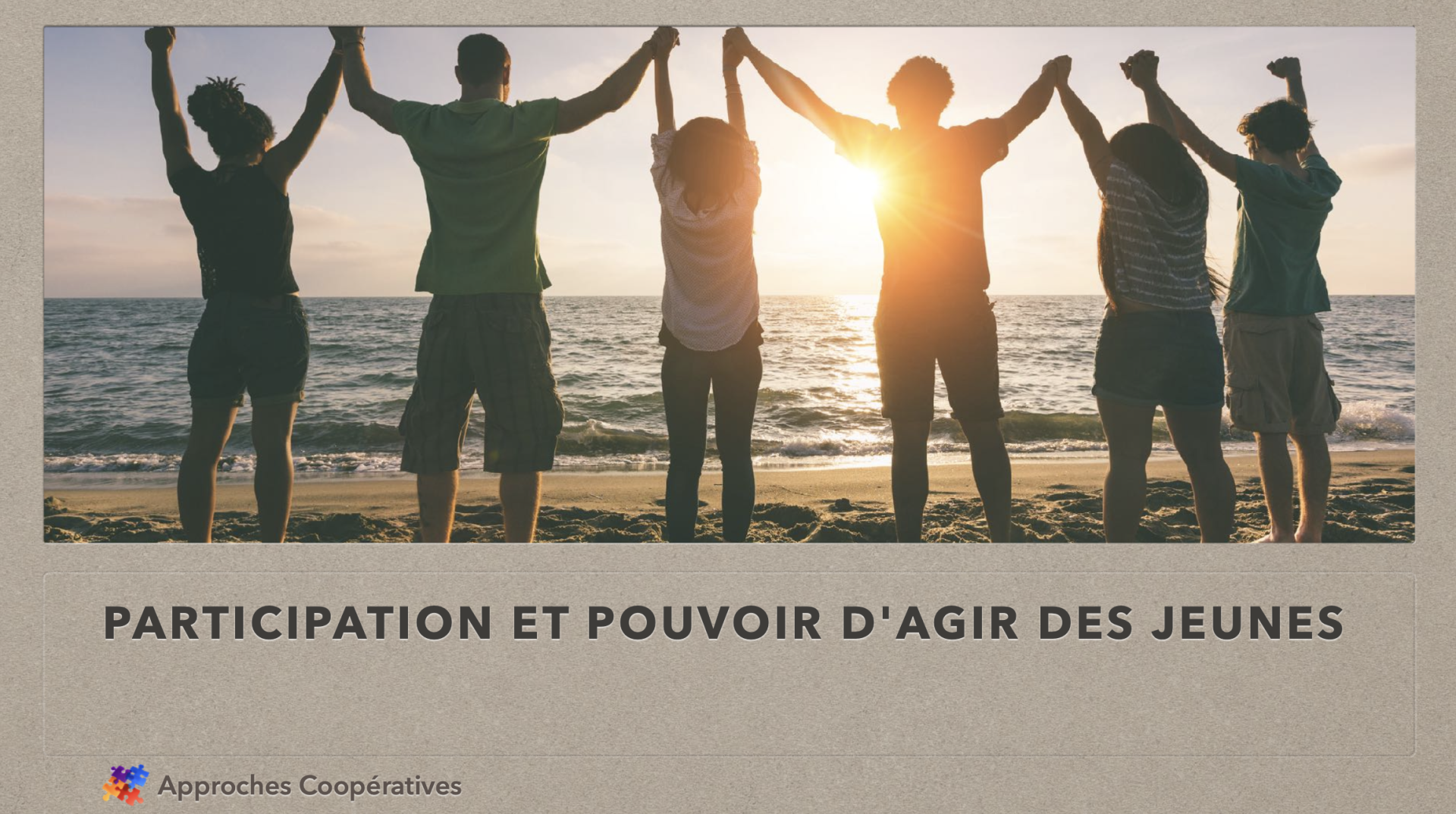
Participation and empowerment of young people
How does giving young people more power to act, seeking to involve them as much as possible, give a greater impact to educational action?
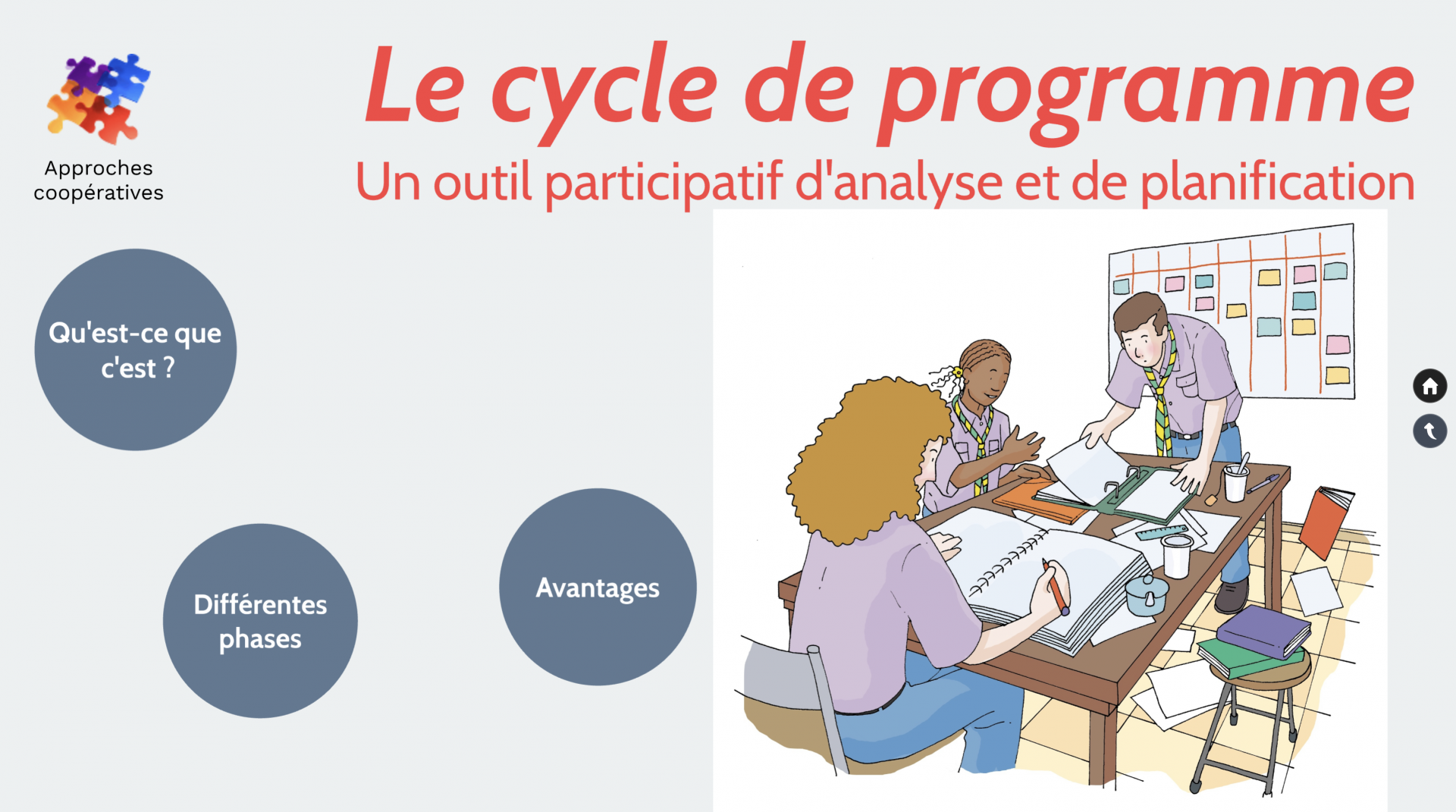
The program cycle
An educational tool that allows to involve young people in the choice, programming, realization, evaluation of activities and recognition of personal progress.
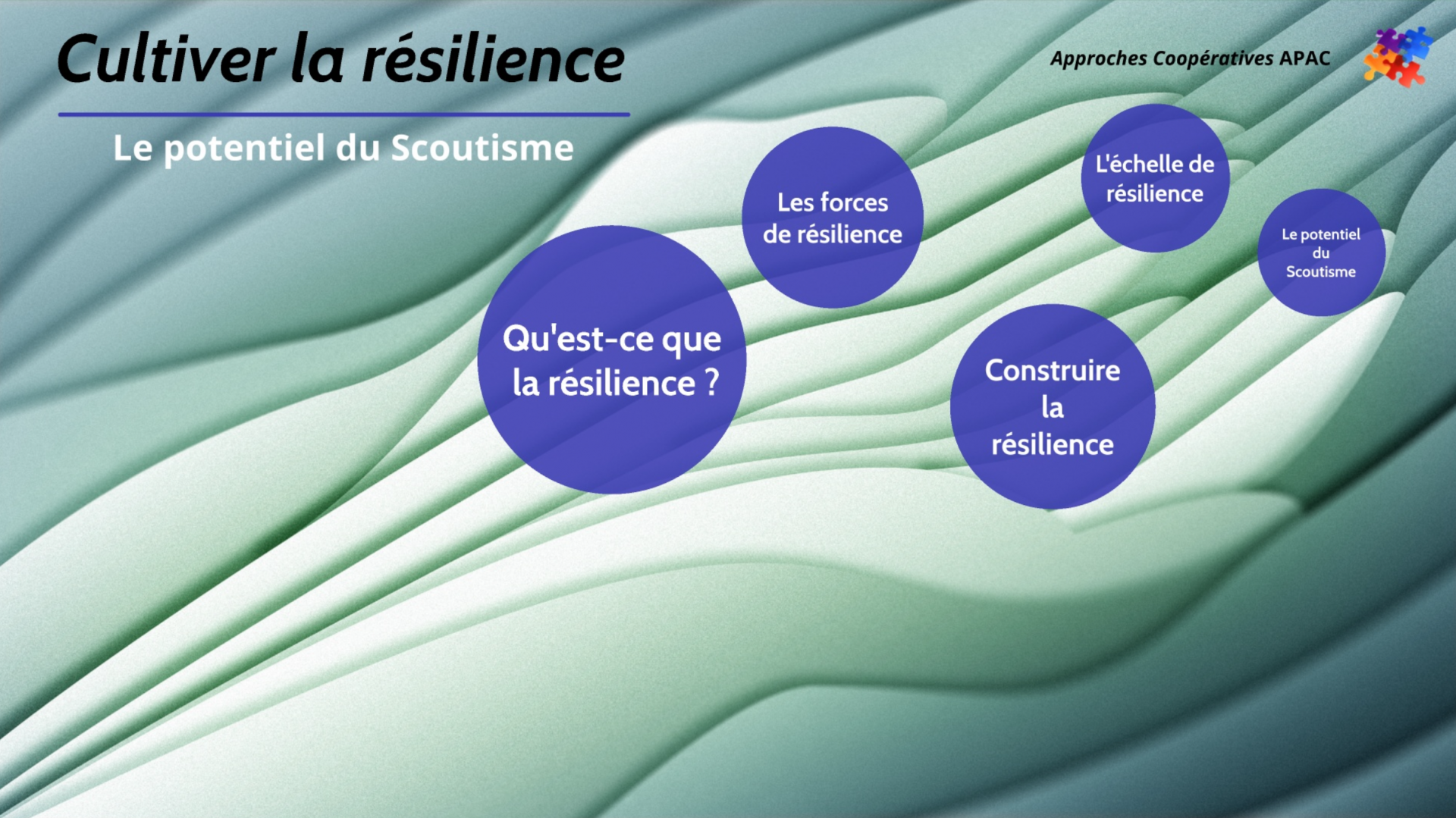
Cultivating resilience
Discover the concept of resilience and understand how a cooperative pedagogical approach, such as that of Scouting, allows the implementation of protective factors in order to cultivate the resilience of young people
Transforming organizations
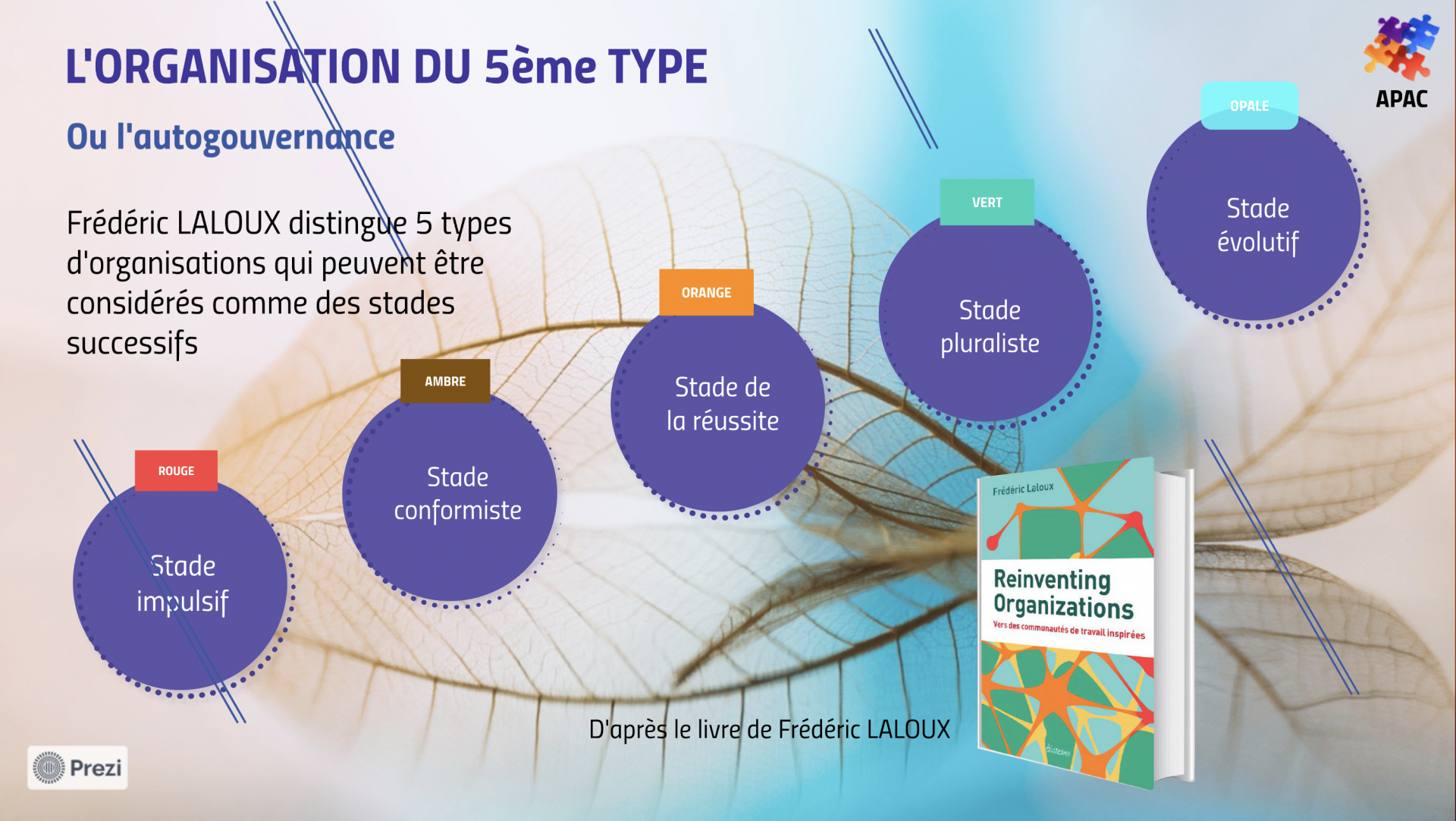
The organization of the 5th type
Discover the 5 successives stages of organization described by Frédéric Lalous from the impulsive stage to the evolutionary stage, that of the "Opale" Organization.
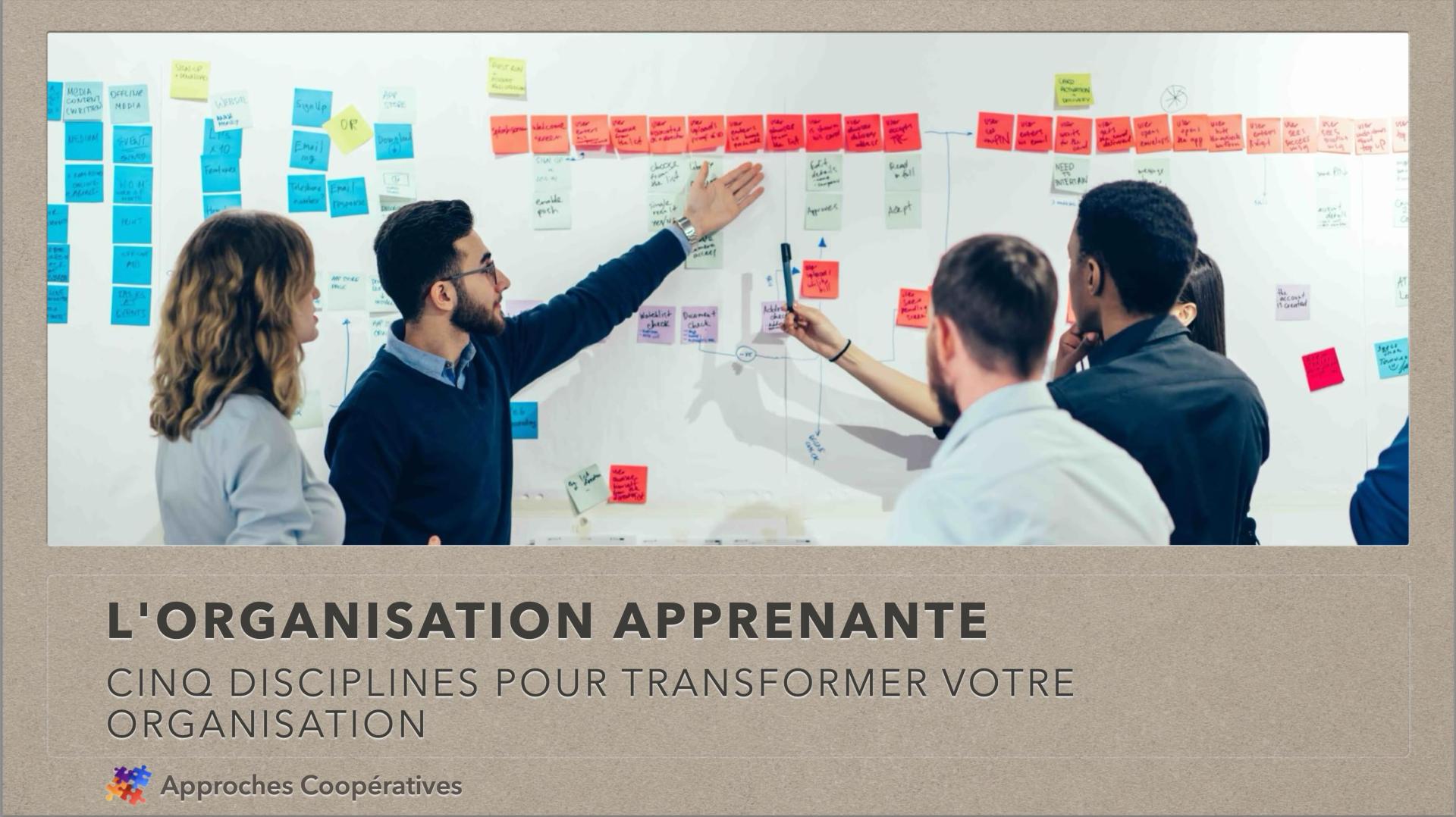
The learning organization
How a learning organization works, an ecosystem in which cross-functional communication promotes collaborative learning and collective intelligence.
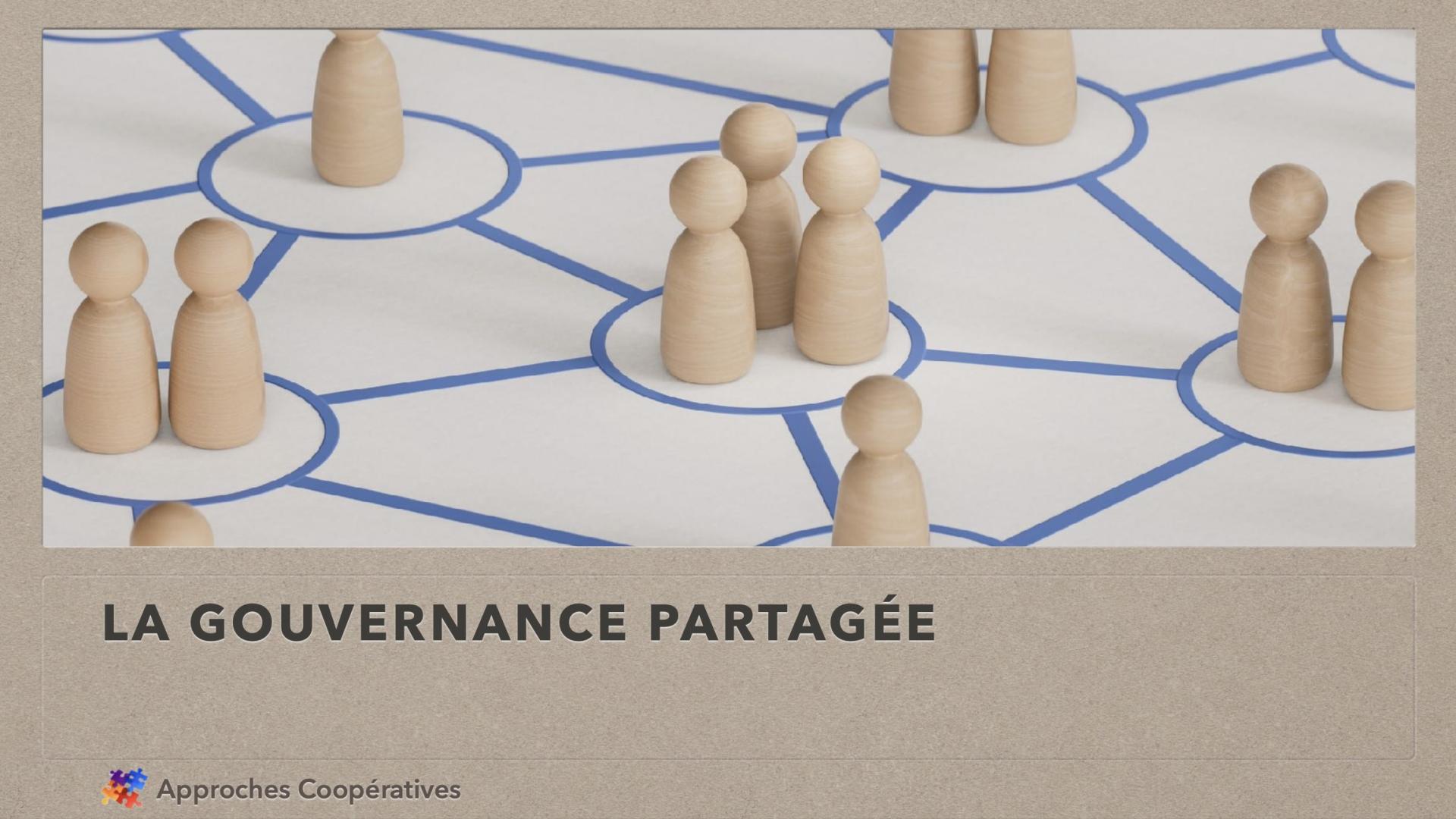
Shared governance
The principles and methods that allow a shift from authoritarian and pyramidal governance to shared governance.
Appreciative exploration
Instead of paying attention to flaws, problems, and shortcomings, it is preferable to focus on discovering our strengths in order to achieve better
Exploring meaning and complexity
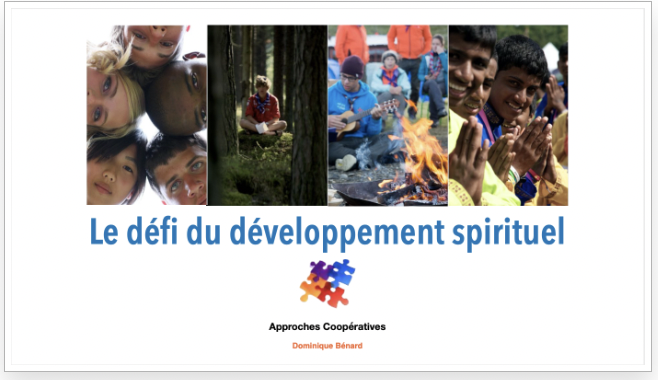
The challenge of spiritual development
Spiritual development is a category of human development, while religion is a matter of belief and part of the cultural expression of a community. Educational activities can be bearers of spiritual development outside any religious practice.
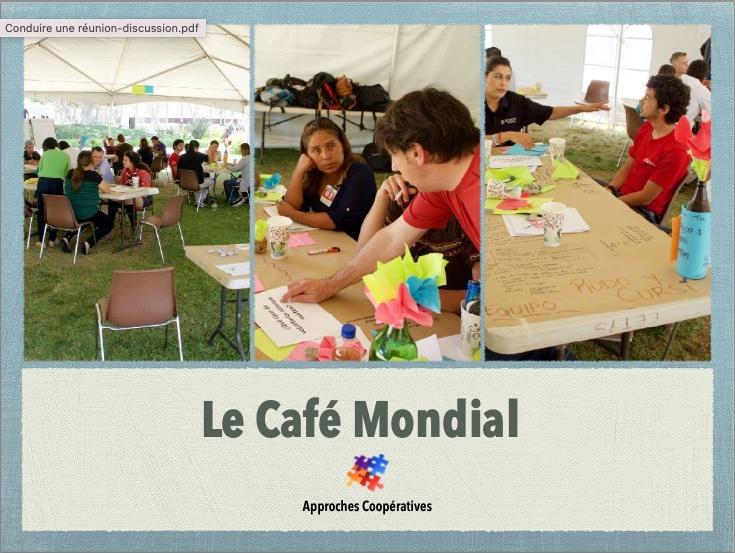
World Café
An effective tool for organizing meetings with several tens, or even hundreds of participants by truly allowing collaborative and productive work
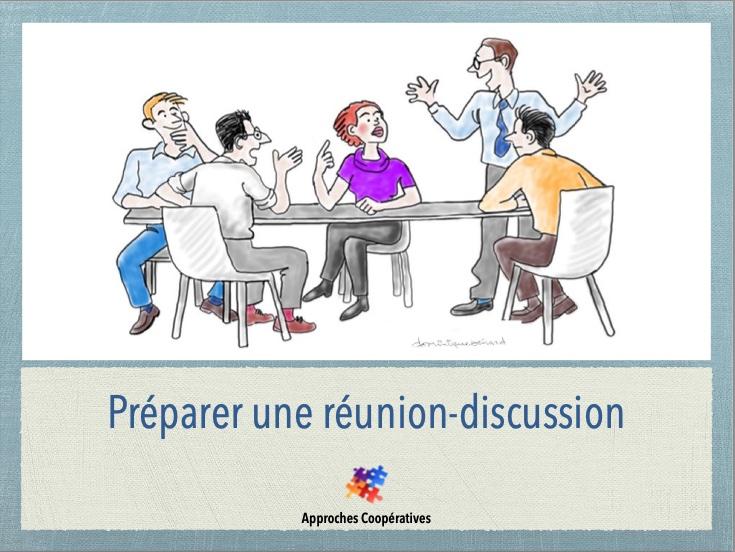
Prepare a meeting-discussion
Understand and make understood how to properly prepare a meeting so that it is interesting and productive.
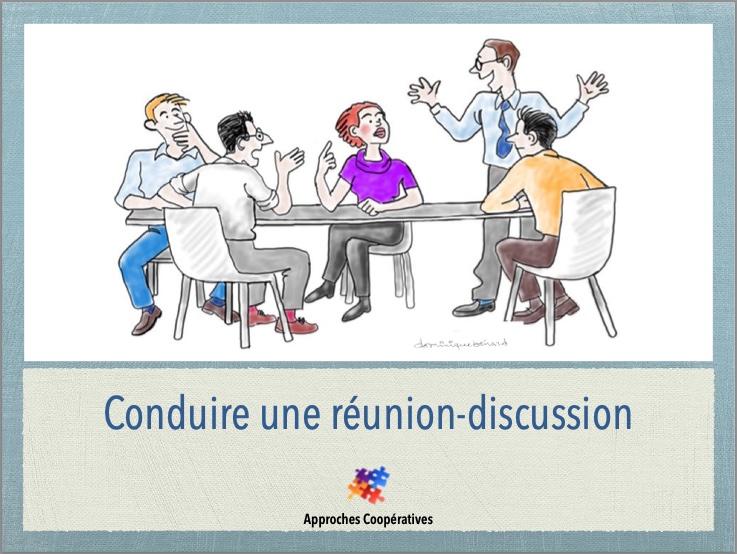
Conduct a meeting-discussion
Tools and practical advice to become a good meeting driver. A role of great importance in any organization.