ASSOCIATION FOR THE PROMOTION OF COOPERATIVES APPROACHES



OUR PROJECT
We live in a strange time: individualism seems to prevail but never have people so sought the spirit of community; behavioral and educational sciences have developed incredibly effective methodologies for exchanging, dialogue, solve problems and learn together and yet social skills seem to be lacking for the greatest number and even for those who lead.
Faced with global challenges that no country can solve alone — overexploitation of resources, climate crises, pandemics, poverty, and conflicts — cooperative approaches provide decisive effectiveness for learning, knowledge sharing, solving complex problems, and improving living conditions.
It is increasingly urgent to pass on to new generations critical thinking, dialogue, experiential learning, and the values of solidarity, self‑management, and democracy, rather than continuing down the dead‑end path of individualism and competition.
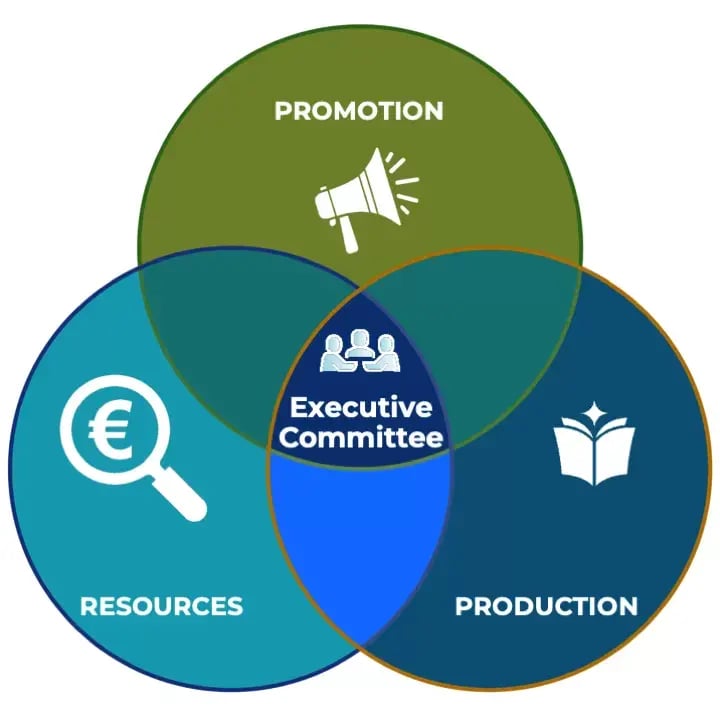
This is why Approche Coopérative has set itself the mission of promoting cooperative initiatives in essential fields: education, training, social action and health, management, civic engagement, and international cooperation, by publishing reviews in partnership with innovative social and associative actors.
"The only way forward that offers any hope for a better future for all humanity is through cooperation and partnership."

Kofi Annan, former Secretary General of the United Nations
JOIN US
Membership in Approches Coopératives
Statutes and Associative Project
COOPERATIVE APPROACHES ORGANIZATION