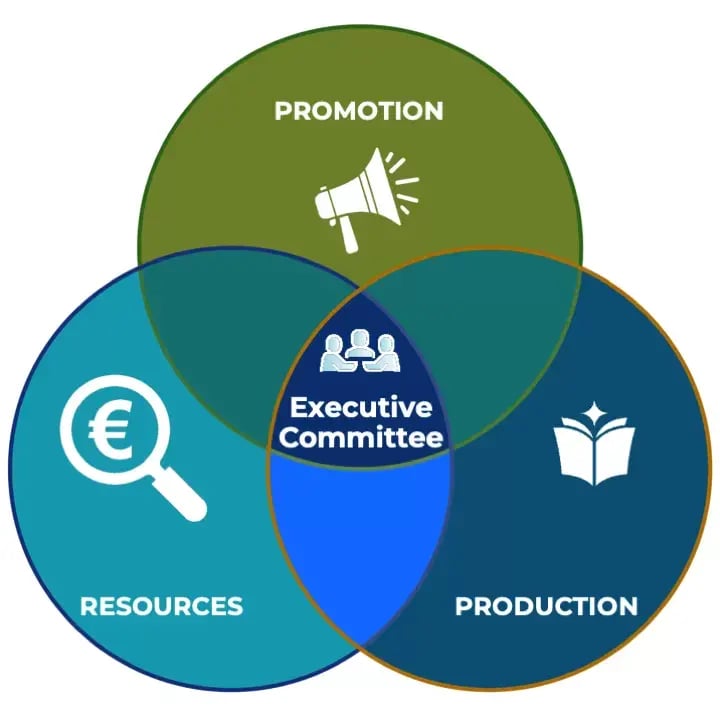
THE ROLE OF THE EXECUTIVE COMMITTEE
Dominique BÉNARD
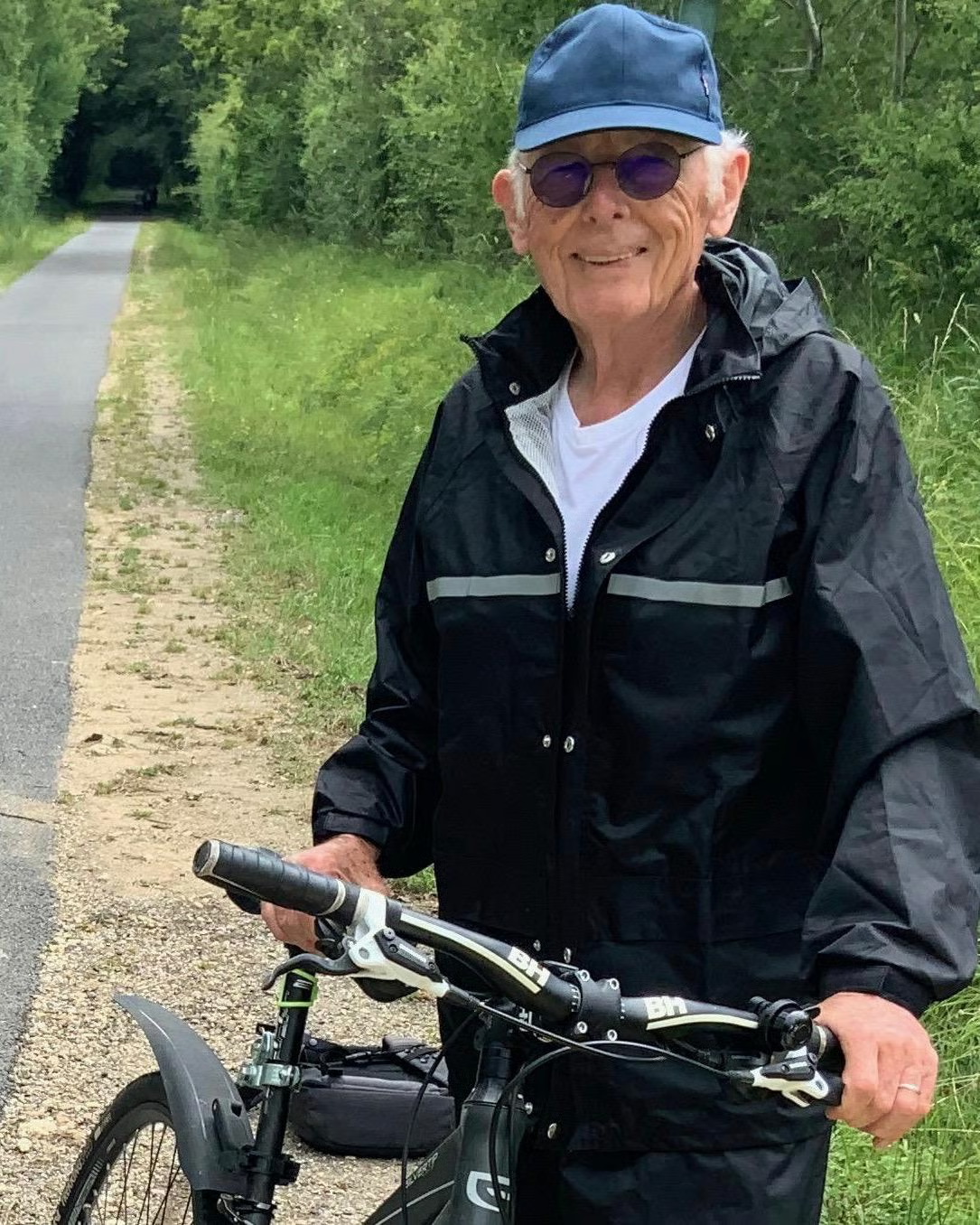 After studying psychology, Dominique became a career guidance counselor in the French National Education system.
He then held national and international positions in youth and international solidarity movements: in charge of educational programs and training, then Commissioner General of the Scouts of France, Director of Recruitment and Training at the French Association of Volunteers for Progress (the French equivalent of the Peace Corps).
Director of the European Scout Bureau, then Director of Educational Methods and Deputy Secretary General at the World Scout Bureau (World Organization of the Scout Movement).
For the past 10 years, he has worked as an international consultant on empowerment and social and professional integration programs for displaced or migrant young adults. He lives with his wife in a small village in the Alps (Haute-Savoie).
Dominique is passionate about drawing, watercolor painting, photography, hiking, nature, and cooperative learning.
Matheus Batalha MOREIRA NERY
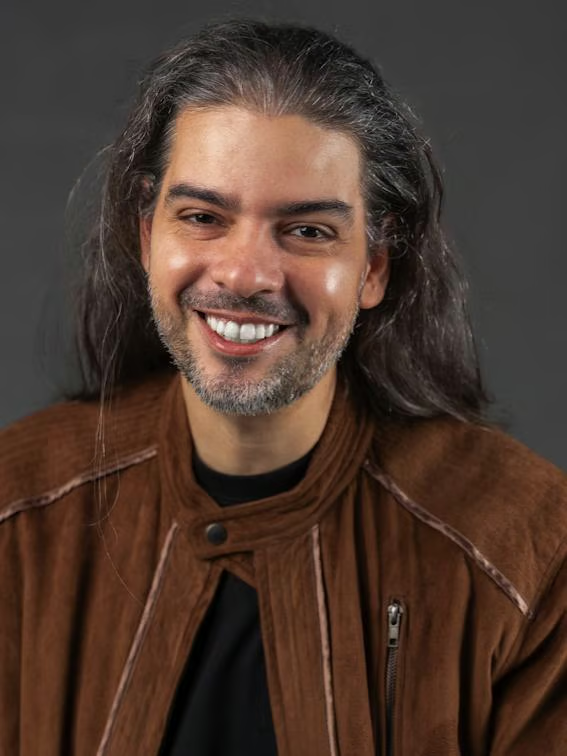 Matheus Batalha is a professor of Educational Psychology at the Federal University of Sergipe (UFS) in Sergipe, Brazil.
His academic and professional background lies at the intersection of psychology, educational policy, and pedagogical innovation, with sustained attention to the social and human dimensions of education.
Holding a PhD in Psychology, he has for several years developed research on quality of life at work, affectivity in educational relationships, public policies in higher education, and processes of academic internationalization.
His work has led to numerous publications, notably on the expansion of private higher education in Brazil, socio‑emotional competencies, and the links between emerging technologies and educational practices.
Matheus Batalha also completed an academic residency at Harvard University, within the Department of Romance Languages and Literatures, where he coordinated an innovative educational project based on the Pre‑Texts methodology. Supported by the David Rockefeller Center for Latin American Studies and by FAPITEC, this program aimed to strengthen creativity, active reading, and violence prevention in schools.
Committed to the dissemination of knowledge, he collaborates with the daily newspaper Jornal da Cidade, where he writes columns on Brazilian political and educational issues, and he is also a novelist. His first novel, Tabu, was published in 2024 by Editora TAUP, followed by O Testamento do Alferes in 2026 with the prestigious publishing house Editora Urutau.
As a member of the executive committee, Matheus Batalha contributes valuable expertise on international educational dynamics, critical pedagogies, and cooperative approaches in Latin American contexts.
Committed to the dissemination of knowledge, he writes a weekly education column and serves as editorial coordinator of the Caderno de Educação of Jornal da Cidade. He is also a member of the Sergipe Academy of Letters.
As a member of Approches Coopératives Executive Committee, Matheus Batalha contributes valuable expertise on international educational dynamics, critical pedagogies, and cooperative approaches within Latin American contexts.
Larry CHILDS
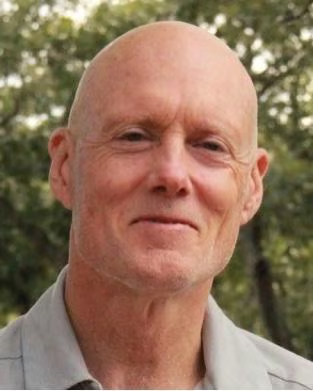 Larry has been working in the fields of adventure and experiential education for over 30 years. As a trainer and senior consultant, he applies immersive and experiential approaches to the challenges of team and organizational development.
Authentic and relational, Larry fosters awareness and connection while addressing themes of team effectiveness, emotional intelligence, culture and conflict. He also specializes in supporting clients in adapting their own facilitation and teaching practices through experience.
He is also a writer, speaker and social entrepreneur. He has launched, developed and documented various initiatives in hundreds of schools and organizations. Its clients, from urban and rural school districts to small and large businesses and non-profit organizations, are local, national and international and cover all five continents.
Larry also teaches courses accredited by Plymouth State University, in partnership with the association Project Adventure, as part of their master’s program in adventure education and experiential learning and development.
He holds an MSc in International Administration from the School for International Training/World Learning, a BSc from Middlebury College and is accredited in a wide range of conceptual models for human and organizational development.
Passionate about social justice and the environment, Larry has been a consultant to immigration organizations and has volunteered on several boards of directors of non-profit organizations, including the NGO Tassaght in Mali, of which he was one of the co-founders.
He currently lives in the hills of western Massachusetts with his wife, where he enjoys outdoor sports, dancing, gardening and occasional visits from their two adult sons
Roland DAVAL
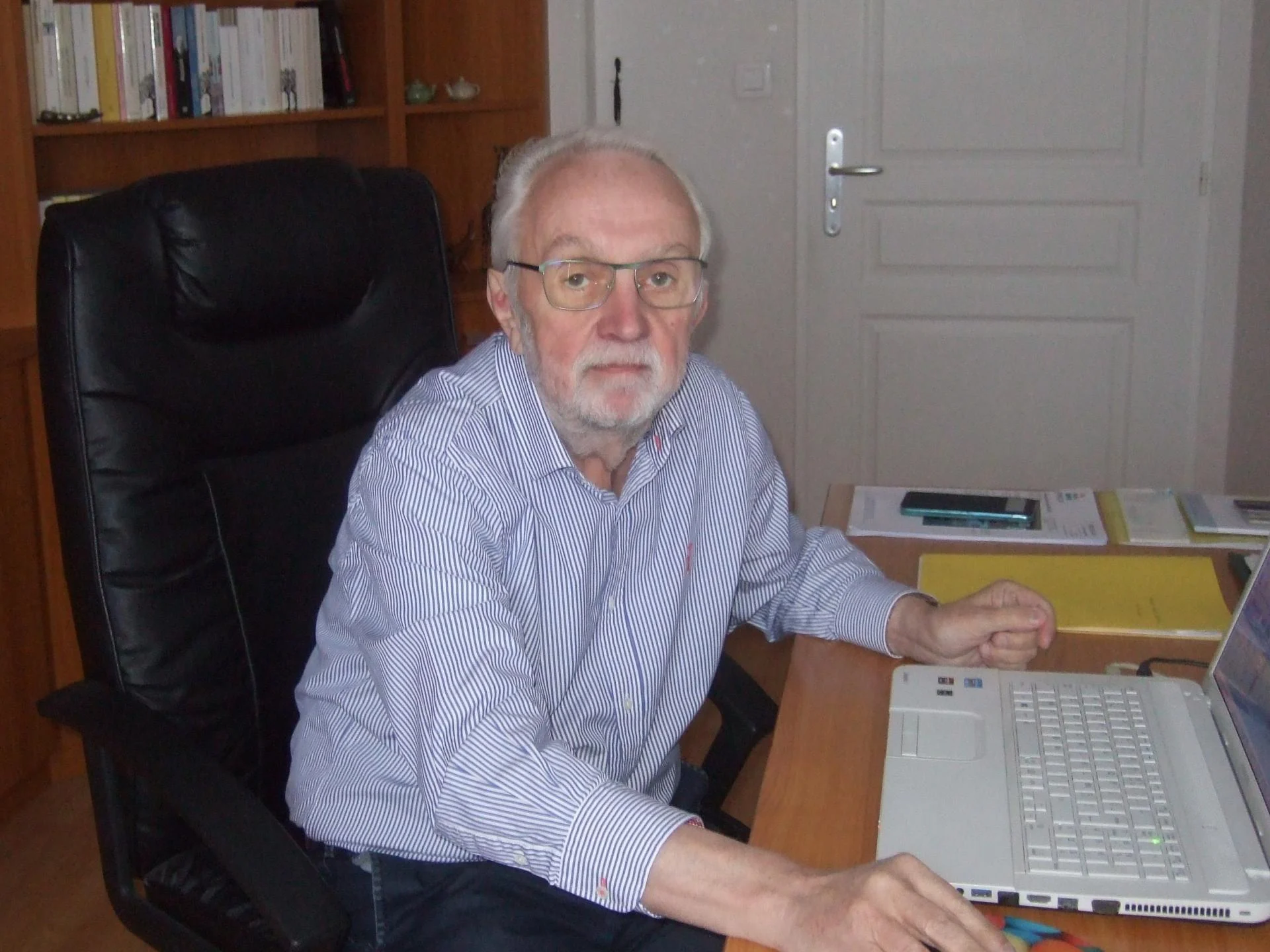 Roland has held important responsibilities in the associative life and especially in Scouting, to which he feels personally very indebted.
If he had not crossed paths with the ”Eclaireuses et Eclaireurs de France” (non-denominational French Scout Association) during the four years he spent in his youth at the Ecole Normale d'Enseignants and if he had not been allowed to take on responsibilities very early on, he would probably not have had the chance to give the same meaning to his life and to realize a professional career that is fascinating because it is rich above all in human relations.
Indeed, seconded by the Ministry of Education, he successively held the responsibilities of regional coordinator for Alsace and Lorraine, of secretary general and then of general delegate at the national level in the Eclaireuses et Eclaireurs de France.
He ended his career as Director of Programs and then Director of Volunteering at the Association Française des Volontaires du Progrès (AFVP), now France Volontaires.
For the last ten years, in the early stages of his retirement, he has worked as a consultant for the associative world and the solidarity economy.
On a voluntary basis, he was president of the Union Nationale des Centres de Plein Air (UCPA) and general treasurer of the Jeunesse au Plein Air (JPA).
Alain DEWERDT
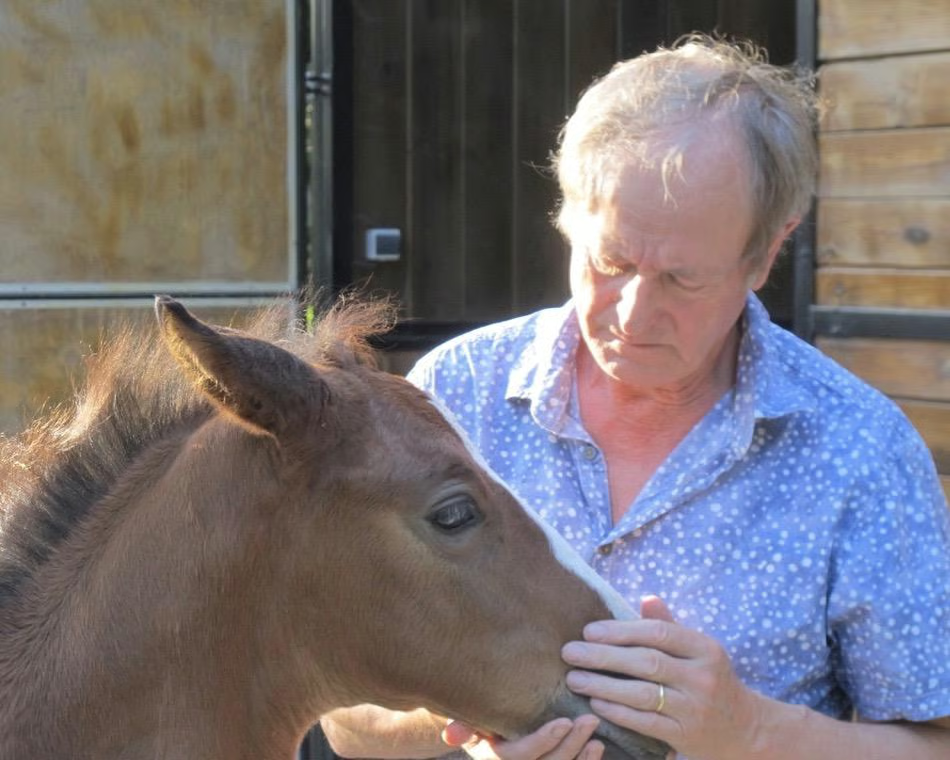 Alain is currently a consultant in the management of associations and establishments in the health, social and healthcare sector within the framework of the company Réseau Jannoy.
He is also a clinical psychologist at the multidisciplinary health center in Grignols, a rural commune in southern Gironde. He is also passionate and a professor of aikido, a martial art that is also an art of peace.
Previously, he learned a lot as part of the Scouts of France movement where he was responsible for the national animation of the elder branch, then engaged in the medico-social sector: prevention of drug addiction, socio-professional integration of young people, director of an educational and pedagogical therapeutic institute for young people with behavioural disorders, general manager of an association bringing together health, social and medico-social establishments.
With Magali, general manager of an Association of the Lot et Garonne, he lives a small house in the Landes surrounded by woods and meadows, with some horses and space to welcome friends.
Anne-Laure DETILLEUX
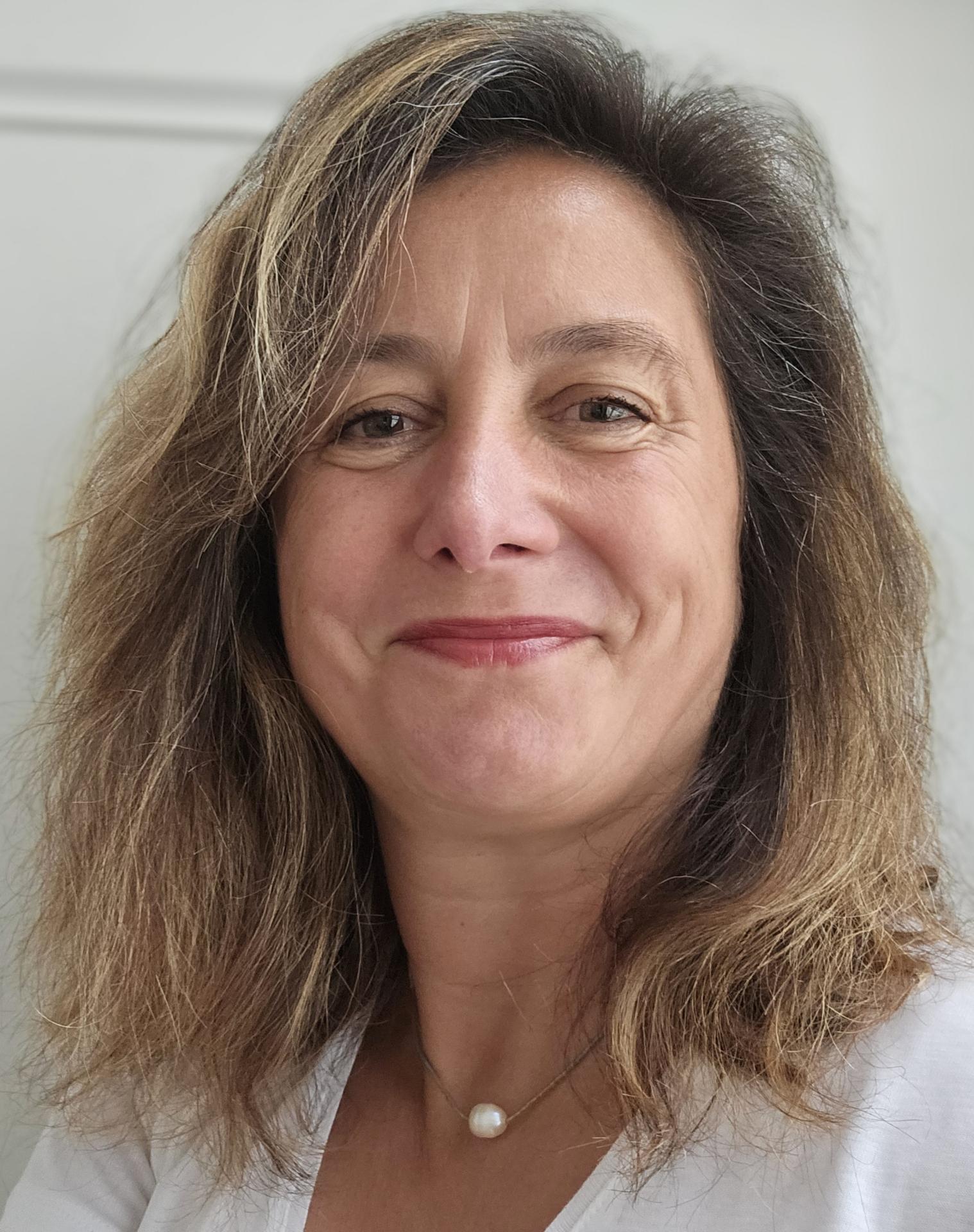 Born in Paris in 1973, she develop very early a global vision of the world thanks to her travels, making her aware of inequalities and cultivating a deep feeling of empathy.
After ten years as a rescuer at the Red Cross, she carry out relief, logistics and development missions in Indonesia, India, Cambodia, and Algeria where she meet the director of the Palestinian Red Crescent.
In 2002, she made her first humanitarian report on paramedics in Ramallah, awarded the Care International Prize. Follow other reports, notably in Khan Younes and in Bosnia.
Faced with ecological and human disasters, she turns to the environment and solidarity economy. In 2010, she founded the non-profit organization Wake Up! in Brussels and creates the Greenpeace Film Festival, to raise public awareness of environmental and social issues. Design, sponsors, partnerships, contracts, communication, website, she managed the entire project alone.
In 2016, Anne-Laure collaborated with Greenpeace for a 100% online version of the festival, which reached nearly one million spectators in 139 countries in 2019.
Since 2020, she has been training in permaculture, phytotherapy, and naturopathy, while sharing her time between France and Crete.
Patrick GALLAUD
 During his studies, Patrick was a volunteer member of the national team of the senior section of the Scouts de France (the Compagnons - 17 to 21 years old).
He began his professional life at the National Institute of Youth and Popular Education (INJEP), where he was in charge of studies on youth policies. In 1987, he became editor in chief of the magazine "Les cahiers de l'animation".
In 1989, he was placed at the disposal of the French National Commission for UNESCO and, in 1991, he was elected Secretary General of the WFUCA (World Federation of UNESCO Clubs, Centres and Associations) where he initiated a new policy for the training of managers.
From 2006 to 2012, he joined the World Organization of the Scout Movement to work on the Centenary of Scouting and its follow-up.
Since 2013, he has served several terms on the NGO Liaison Committee to UNESCO and the Association of Former UNESCO Officials.
From 1977 to 2014, he was also a regular lecturer at the University in contemporary history and cultural policies.
Francis JEANDRA
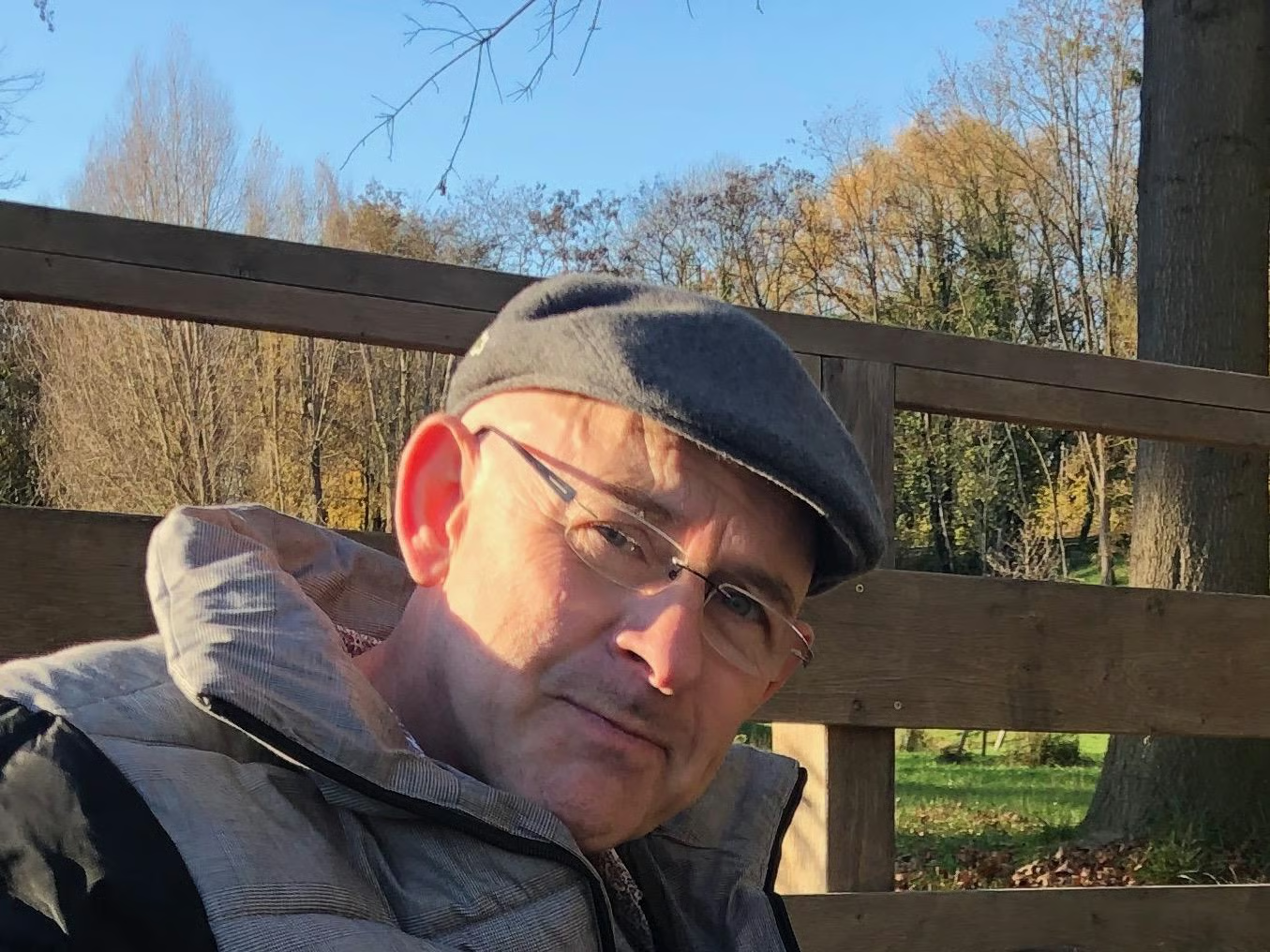 Francis has been deeply committed for many years to education, cooperation, and human development.
Trained early in youth leadership and pedagogy within the Scouts de France, he supported young people in learning responsibility, shared living, and autonomy.
As a pedagogical advisor and later trainer, this formative experience continues to shape his approach: clarifying, transmitting, and enabling each person to take an active role.
Throughout his professional path, Francis , who also served as a union representative (CFE‑CGC) , has placed his skills at the service of training, team support, and risk prevention, always with close attention to the human and educational dimensions of organisations.
Recognised for his ability to make complex issues accessible, he promotes an approach grounded in understanding, participation, and cooperation.
Actively engaged in community and associative life, he continues this mission today as a trainer and advisor, with a strong commitment to the quality of relationships, pedagogy, and the transmission of knowledge. Sensitive to practices that respect living systems — organic beekeeping, oenology, bonsai — he cultivates a patient, attentive, and deeply humanistic outlook.
He joined Approches Coopératives in 2025 as secretary, convinced that cooperative approaches are a key lever for strengthening education, solidarity, and people’s capacity to act, both individually and collectively.
Francis is also the father of four children: Anaïs, a school psychologist; Chloé, an early‑childhood educator; Océane, a restaurateur at Antre Gourmets and Hugo, a sea rescue lifeguard (SNSM), Trainer at La Protection Civile and sports coach.
Dominique LESAFFRE
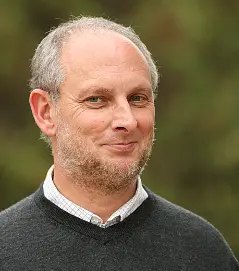 40 years of experience in the design, development, implementation and monitoring-evaluation of financing systems for development.
-
Economist from the University of Vienna (Austria) MBA (ESSCA Angers).
-
Works in 5 languages.
-
Managed a hospital in the Brazilian Amazon.
-
Worked in European solidarity and social investment organizations: Head of the Africa Department of CCFD, in the 1980s. Executive Director of RAFAD/FIG, Geneva in the 1990s, then 2001 at SIDI and for which he was responsible for solidarity investments until 2015 in areas as varied as Latin America, the Sahel, illegally occupied Palestine, southern Africa as well as relations with continental solidarity finance networks.
-
Directed the SIDI www.sidi.fr from 2022 to 2025.
-
Still sits in a dozen governance of networks of solidarity actors including the GSEF, the FEBEA, the RIEH but also in that of institutions from the South, in Lebanon (FTL) in Palestine (DAMAN), in Burkina Faso (UBTEC-Naams), in Malawi (Centenary Bank), in Peru (ProEmpresa) but also in the North (Philea, Geneva) or On.Capital (Paris), which allows to create numerous synergies.
Guy MÉNANT
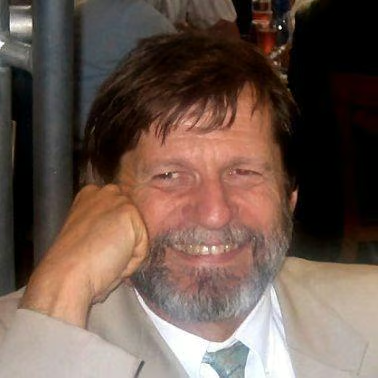 Guy is an Honorary Inspector General of the French Ministry of National Education, following a distinguished career dedicated to the development and evaluation of the French education system.
He began his career in educational inspection in the early 1990s as a regional pedagogical inspector (IA‑IPR) in biology and geology within the Grenoble education authority.
In 2002, he was appointed Inspector General of National Education (IGEN), a position he held until his retirement in 2008, after thirty‑eight years of civil and military service.
Throughout his career, he played a key role in supporting educational teams, improving teaching practices, and contributing to the implementation of national education policies.
His work as IA‑IPR and later as IGEN involved evaluating schools, guiding institutional reforms, and contributing to the professional development of teachers and school leaders. His approach has consistently emphasized pedagogical coherence, student success, and the quality of learning environments.
Now retired, he continues to engage in educational reflection and advisory work, contributing his expertise to various committees and professional networks. As a member of APAC’s Executive Committee, he brings a deep understanding of educational policy, extensive field experience, and a thoughtful perspective on contemporary challenges facing schools.
Dante MONFERRER
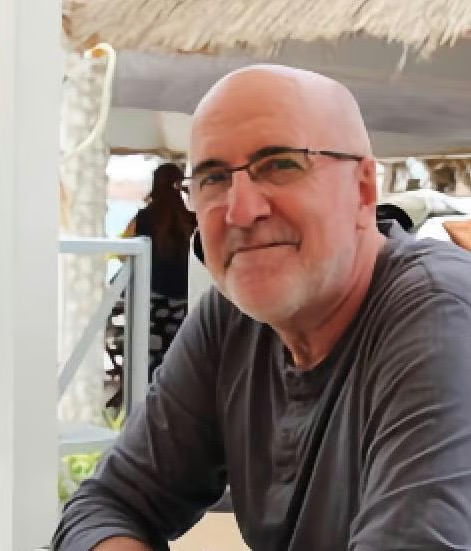 Dante has spent most of his professional career in the field of international solidarity and more particularly in the field of volunteer work.
After studying agricultural development, he spent two years in Senegal as a volunteer on a rural development program in a small town in the Sine-Saloum region. This was a powerful experience that marked his career and allowed him to discover other people, other places and ultimately himself.
After resuming his studies in socio-economics of development, he joined the structure of the French Association of Volunteers for Progress and was posted in different countries (Congo, Gabon, Ivory Coast, Senegal) in charge of accompanying volunteers and monitoring projects.
In the 2000s he returned to the Paris headquarters of the association where he successively held the positions of Director of Volunteering and then of Development. In 2004, he was appointed to the position of General Delegate until 2014 when he retired.
During these 10 years he led the transformation of the association which became France Volontaires, a platform for French volunteering and an operator of the Ministry of Foreign Affairs. He also took part in the implementation and management of the civic service. He has also worked with various institutions and ministries, as well as with associations dedicated to international solidarity and youth issues.
Because of his family history and his personal and professional career, Dante has always been a committed person and continues to act as a volunteer in different associations at the local, national and international levels.
He has also been involved in the local community in his small southwestern commune.
Carolina OSORIO GARCIA
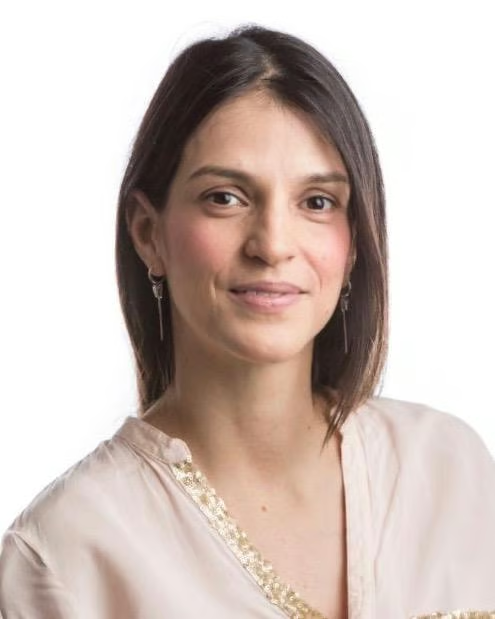 Psychologist and facilitator in popular education, she is deeply convinced of the power of the collective.
With a professional background in South America, Mexico, Africa, and France, in contact with diverse populations, facilitators, volunteers, professionals, executives, and managers, she has acquired rich experience that combines the social, the individual within the collective, and the individual in the face of their own contradictions.
She is convinced of the power of collective intelligence to change the world. Carolina is a creative, curious, active and committed person.
She currently resides in the French Alps with her husband and two children, who have brought light to her life and to the world.
Michel SEYRAT
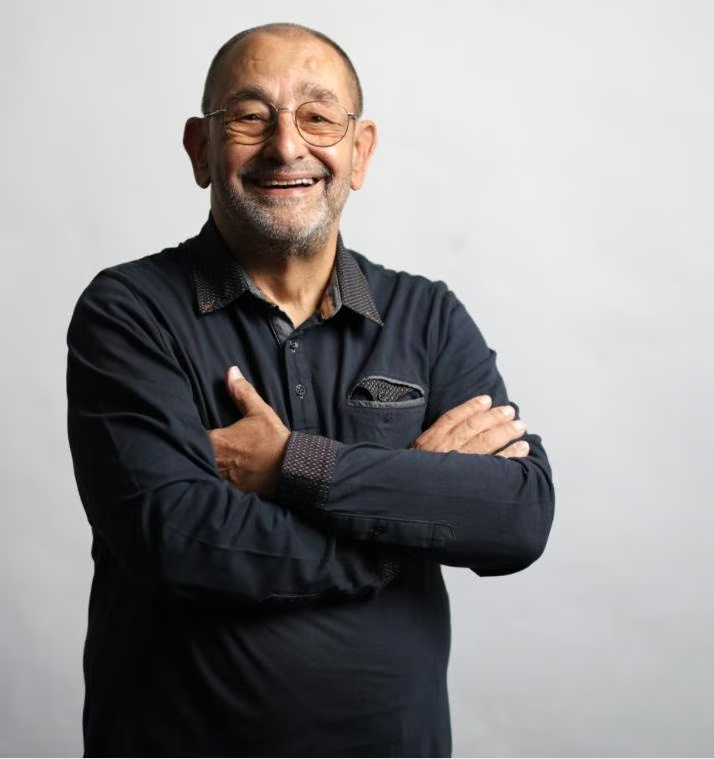 Michel was born in Nice in 1941 where he studied and read extensively in his father's bookstore.
He taught in the Berry region, in Alès and in Nice.
In the 70's, he was part of the national team of Scouts de France as Deputy General Commissioner and responsible for the elder branch.
Living in the hinterland of Nice, he contributes to local magazines, has published short stories, three "Niçois polars" and recently Le jeu du jour, 365 jeux pour sourire chaque jour de l'année (The game of the day, 365 games for smiling every day of the year) and two volumes of Les Associés du Grand Platane (The associates of the Great Plane Tree), the generous and exciting adventures of the pupils of the Cours Moyen de l'école des Collinettes (Middle School of the Collinettes).
Dominique SOLAZZI
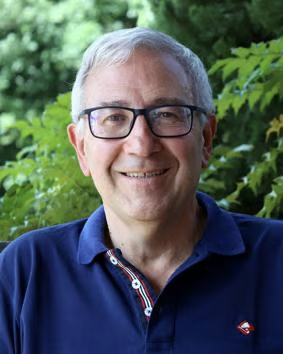 Dominique Solazzi is a physician: first an emergency doctor, then a general practitioner in a working‑class neighborhood.
From the demanding intensity of interventions where every minute counts to community medicine, where usefulness is measured over the long term.
He has developed solid expertise in youth health: with Scouts and Guides of France, he led numerous national health‑education initiatives.
He later took on responsibilities in adolescent medicine at local level.
Deeply involved in the associative world, he also served as president of the SCD (Service de Coopération au Développement).
In 2020, the Covid‑19 pandemic made him perceive the importance of involving grassroots actors in public‑health challenges.
Read the article "Local health actors facing the Covid-19 challenge" on page 7th of the issue n°5 of Approches Coopératives.
He then contributed to the creation of a CPTS (Territorial Professional Health Community), encouraging private‑practice health professionals to engage in public health within their territory.
He continues to coordinate a working group on youth mental health. He is an unusual doctor who sees patients as actors in their own health, who prefers prevention to treatment, and education to prevention, who favors multi‑professional and partnership‑based projects over individual actions.
Within Approches Coopératives, he contributes to reflections on contemporary social transformations: he believes it is necessary to promote models based on mutual aid, shared responsibility and human dignity.
Hoping to see practices emerge that place humanity, solidarity and cooperation at the heart of society.
Michel TISSIER
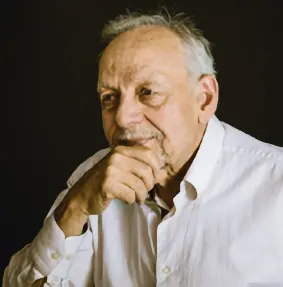 Michel lives since 2017 in the Périgord noir, in Dordogne. He was born in 1948 and he has been retired since 2008. He has three children who are in their 40s and two grandchildren under 10 years old. He currently lives alone.
His training and militant experience are very important to Catholic action and the CFDT.
During his professional life, he was successively an adult educator, confederal secretary at the CFDT, a senior manager at the ANPE, and a consultant in the field of Corporate Social Responsibility.
In retirement, he studied Arabic language and civilization at the INALCO then he engaged as executive secretary of the International Network for a Human Economy (RIEH).
He is an active member of the Pacte civique, a member himself of the Pacte du pouvoir de vivre.
He also tries to contribute to making the Périgord noir a territory of cooperation between all those who want to exercise their power to live well together, among human beings and with the living.
He believes it is urgent and vital to carry out a cultural action or popular education to resist the wave of anti-humanism which wants to impose the law of the strongest and richest and build the common home that all people of goodwill desire.
APPROACHES COOPERATIVES ORGANIZATION